ISTANBUL TRAVEL GUIDE

What Makes Istanbul Unique
Istanbul is hustling, beautiful, busy, chaotic, romantic, historic, kitsch, gorgeous depending on which part of the city you are and the time of day. A city of over 14 million people the time of day really would change the impression you get from where you are at. People move in this vast city built on two continents crossing continents, covering huge distances within the city. You may still relax, take your time and enjoy as long as you go to the right places at the right times.
Want to relax? Then hit a side street, take a boat cruise, sit at a cafe on the Bosphorus, immerse yourself in Byzantine times in the quiet of a mosaic museum or watch the beautiful tiles in Blue Mosque. Want to see some city rush and human touch? Then go to Istiklal Street and just watch people pass by.
The Two Sides of Istanbul: European and Asian
European side is the business side, Asian the residential. Most people who work at foreign and domestic major corporations have left the city center for a life in the far suburbs where big gated communities, or even small scale cities in peripheries of Istanbul and are commuting daily to the city center. But they sure are missing the center!

Best Time to Visit Istanbul
The best time to visit Istanbul is during spring (April to early June) and autumn (September to October). During these months, the weather is mild and pleasant, with temperatures ranging from 15°C to 25°C (59°F to 77°F). The city's parks and gardens are in full bloom in spring, while autumn brings comfortable temperatures perfect for walking tours and exploring outdoor attractions.
Summer months (July and August) can be hot and humid, with temperatures often exceeding 30°C (86°F). This is also the peak tourist season, meaning larger crowds and higher hotel prices. Winter (November to March) is cold and rainy, with occasional snow. However, winter offers lower prices and fewer tourists. The famous Istanbul snowfalls transform the city into a magical winter landscape, especially around Sultanahmet and the Bosphorus.
If you plan to attend specific events, book accordingly: The Istanbul Tulip Festival in April, the Istanbul Music Festival in June, and the Istanbul Biennial in September are major draws.
From Byzantium to Constantinople to Istanbul
Where ever you go, one thing is for sure: there's something strange about this city. May be it is because it has seen three empires in its long history: East Roman, Byzantine and Ottoman Empires. May it has seen so many kinds of people from different parts of the world: Europe, Middle East, Central Asia, Eurasia, Africa.. Or may be it is just this strange mix that it offers. A blend of east and west or a fusion of old and new or a combination of traditional and modern. Is Istanbul the furthest east of the west? Or is it just the other way around? Are Turks eastern or western? Is "contrast" an Istanbul born phenomenon?
You have to see it yourself and decide. The Vikings named it Miklagard "big city", the Slavs called it Tsarigrad, "City of Caesar", for the Greeks it has been Konstantinapolis. May be you will have a name of your own for Istanbul once you get to see this place. The thing is: you have to see this place.
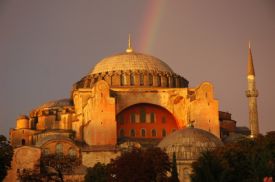
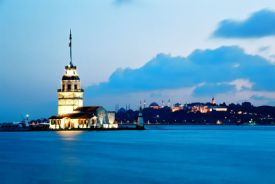
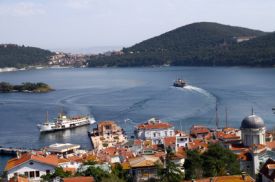
Hotels in Istanbul Region
Istanbul Tours
Travel to Istanbul / From Istanbul
Istanbul Interesting Facts, Local Tips!
Istanbul Travel Guide
Istanbul Sightseeing Locations
Some of the places below can be combined in a day tour as they are close to each other.
Istanbul in 2026: What Is New or Different
Istanbul does not stand still. If you visited a decade ago, you will notice some shifts. The old Atatürk Airport is fully closed; all international flights now land at the vast Istanbul Airport (IST) north of the city. The metro has finally caught up — the M11 line now connects the airport to the Gayrettepe hub, meaning you can reach the city center by train instead of fighting traffic in a taxi. Hagia Sophia has been a functioning mosque since 2020; entry is free but tourists use a separate entrance on the left side. The Galata Tower reopened in 2024 after a long restoration, and the view from the top is worth the climb again. Hotel prices have risen across the board since 2022, but the quality has improved too — many old family pensions have been replaced by boutique hotels.
Getting Around: Metro, Ferries & Istanbulkart
The Istanbulkart is the transit card you buy at kiosks near any metro or ferry station. It works on buses, metros, trams, funiculars, and ferries. As of 2026, a single ride costs roughly 20 Turkish lira depending on the line; transfers within two hours are discounted. You can also tap a contactless credit card directly on most readers, but the Istanbulkart still gives the best rate. The ferry is not just transport — it is a cheap Bosphorus cruise. The tram T1 is the tourist lifeline, running from Kabataş (with funicular connection to Taksim) through Karaköy, Eminönü, Sultanahmet, and out to the airport bus station at Yusufpaşa. Taxis remain a headache. If you must take one, insist the driver uses the meter and have Google Maps open to check the route.
Istanbul Safety & Practical Tips
Istanbul is a city of 14 million people, so keep your wits about you. Uber and BiTaksi apps work in Istanbul and remove the negotiation. For mosques, women should cover shoulders and hair; men should wear trousers, not shorts. Shoes come off at the door. Tipping is not obligatory but 10% at restaurants is appreciated. Tap water is technically safe but tastes heavily chlorinated; most locals drink bottled. The emergency number is 112 for everything from ambulance to police.
Suggested 3-Day Istanbul Itinerary
Day 1 — Sultanahmet: Start at Hagia Sophia (go early, the line forms fast), then Blue Mosque, Basilica Cistern, and Topkapi Palace. Lunch at a rooftop place with a Sea of Marmara view. Afternoon in the Grand Bazaar.
Day 2 — Beyoğlu & the Bosphorus: Walk across the Galata Bridge, climb Galata Tower, then wander Istiklal Street down to Taksim. Take the funicular to Karaköy and cross by ferry to Kadıköy for dinner on the Asian side.
Day 3 — Palaces & Views: Morning at Dolmabahçe Palace, afternoon Bosphorus cruise from Eminönü to Anadolu Kavağı, evening in Ortaköy for kumpir and a view of the Bosphorus Bridge.
Frequently Asked Questions
Do I need a visa to visit Turkey in 2026?
Most nationalities need an e-Visa, obtainable online in minutes at the official Turkish government portal. Do not use third-party visa services. Citizens of some European countries, plus Japan and South Korea, can enter visa-free for up to 90 days. Your passport must be valid for at least six months beyond your arrival date.
What is the best area to stay in Istanbul?
Sultanahmet is best for first-time visitors who want to walk to the major historic sights. Beyoğlu (Galata, Karaköy, Cihangir) and Taksim suit travelers who prefer nightlife, restaurants, and a local atmosphere. Kadıköy on the Asian side is quieter, more residential, and offers excellent food at lower prices. Each has a distinct personality; choose based on whether you are here to sightsee or to live like a local.
How many days do I need in Istanbul?
Three full days is the minimum to cover the essential historic sights, a Bosphorus experience, and at least one neighborhood beyond Sultanahmet. Five days allows you to add a Princes' Islands trip and time to simply wander without an itinerary. A week lets you explore the Asian side properly and take a day trip to Bursa or Edirne.
Is tap water safe to drink in Istanbul?
Tap water is technically safe but heavily chlorinated. Most locals drink bottled water or use home filtration systems. As a visitor, bottled water is cheap and widely available; use it for drinking and brushing teeth to avoid the taste and any stomach adjustment issues.