Karahantepe Travel Guide: Göbeklitepe's Sister Site

Karahantepe is Göbeklitepe's lesser-known neighbor. Located about 40 kilometers east of Şanlıurfa, this Paleolithic and Neolithic site features the same iconic T-shaped stone pillars, animal reliefs, and circular enclosures. But Karahantepe has its own unique treasures: a carved human head statue, a phallus-visible pillar, and rock-carved benches that suggest a different ritual purpose.
Karahantepe is part of the Taş Tepeler (Stone Hills) project, an archaeological initiative studying 12 Paleolithic and Neolithic sites around Şanlıurfa. While Göbeklitepe gets the headlines, Karahantepe offers a more intimate, less crowded experience. Excavations began in 2019 and are ongoing, making it one of the most exciting active archaeological sites in Turkey.
For travelers who have already seen Göbeklitepe, Karahantepe provides deeper context. For those planning a first visit, seeing both sites reveals the scale of the end of the Paleolithic era and the beginning of the Neolithic revolution in the world.
| Location | 40 km east of Şanlıurfa, Southeast Turkey |
| Age | ~11,000-12,000 years old (Neolithic) |
| Discovered | 1997 (survey), major excavations began 2019 |
| Excavation Director | Professor Necmi Karul |
| Part of | Taş Tepeler (Stone Hills) project |
| Must-See | Carved human head statue, phallus pillar, rock benches |
What Makes Karahantepe Unique?
Karahantepe shares the core features of Göbeklitepe: T-shaped limestone pillars arranged in circles, animal reliefs carved into stone, and a hilltop location overlooking the plains. But several discoveries set Karahantepe apart.
The Carved Human Head
In 2022, excavators uncovered a life-sized carved human head statue, separate from any pillar. The head has deep eye sockets and a pronounced nose. Unlike the abstract "headless" T-pillars at Göbeklitepe, this is a realistic human representation. It is one of the oldest known human sculptures of its kind, dating to around 9000 BC.
The Phallus Pillar
One T-shaped pillar at Karahantepe features a clearly carved phallus on its shaft. This explicit male carving is rare among Taş Tepeler sites, though phallus is a prominent symbol in Gobeklitepe too. It is evidence of male-centered rituals or ancestor worship. The pillar is currently on display at the site under a protective shelter.
Rock-Carved Benches
Unlike Göbeklitepe, where benches are rare, Karahantepe has benches carved directly into the bedrock inside some enclosures. These benches suggest larger gatherings, feasting, or communal decision-making. They also indicate that the site was used differently than Göbeklitepe, possibly for longer stays or different rituals.
Ongoing Excavations
Karahantepe is still being excavated. New discoveries are announced almost every year. As of 2026, only about 10-15% of the site has been uncovered. This means every visit offers something new. For archaeology enthusiasts, Karahantepe is more exciting than Göbeklitepe precisely because it is not fully understood.
Taş Tepeler: The Stone Hills Project
Karahantepe is one of 12 Neolithic sites in the Taş Tepeler (Stone Hills) project. The others include:
- Göbeklitepe - The largest and most famous
- Karahantepe - Second largest with unique finds
- Harbetsuvan - Smaller T-pillar site
- Sefertepe - Similar circular structures
- Ayanlar Höyük - Mound with Neolithic layers
- And seven other smaller sites
The project, led by Turkish archaeologists and funded by the Turkish Ministry of Culture, aims to understand why so many ritual sites were built in this small region within a few centuries. Evidence suggests the area was a cultural and religious center for early Neolithic societies across a wide region.
The Taş Tepeler project has already changed our understanding of the Neolithic revolution. Before these excavations, archaeologists believed religion and complex rituals emerged after agriculture. Göbeklitepe and Karahantepe prove the opposite: hunter-gatherers built these massive structures first, then domesticated plants and animals to sustain the rituals.
Karahantepe vs. Göbeklitepe: Key Differences
| Feature | Göbeklitepe | Karahantepe |
| Size | Largest Taş Tepeler site | Second largest |
| Excavation status | Extensively excavated (1994-2014 Schmidt, ongoing) | Active, ongoing (only 10-15% uncovered) |
| Unique find | Pillar 43 (scorpion, vulture, headless man) | Carved human head statue, phallus pillar |
| Crowds | Busy (tour groups, daytrippers) | Quiet, less visited |
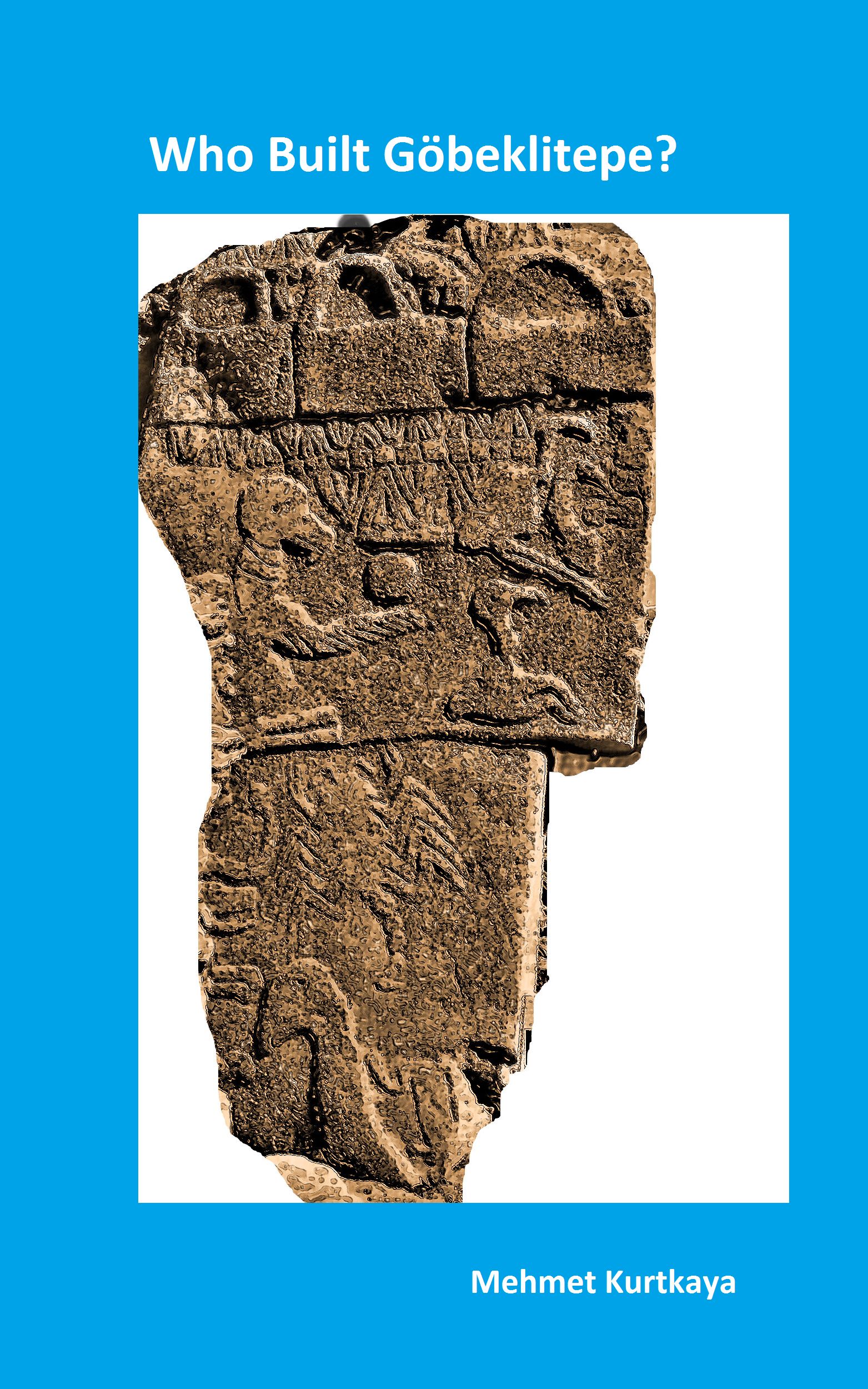
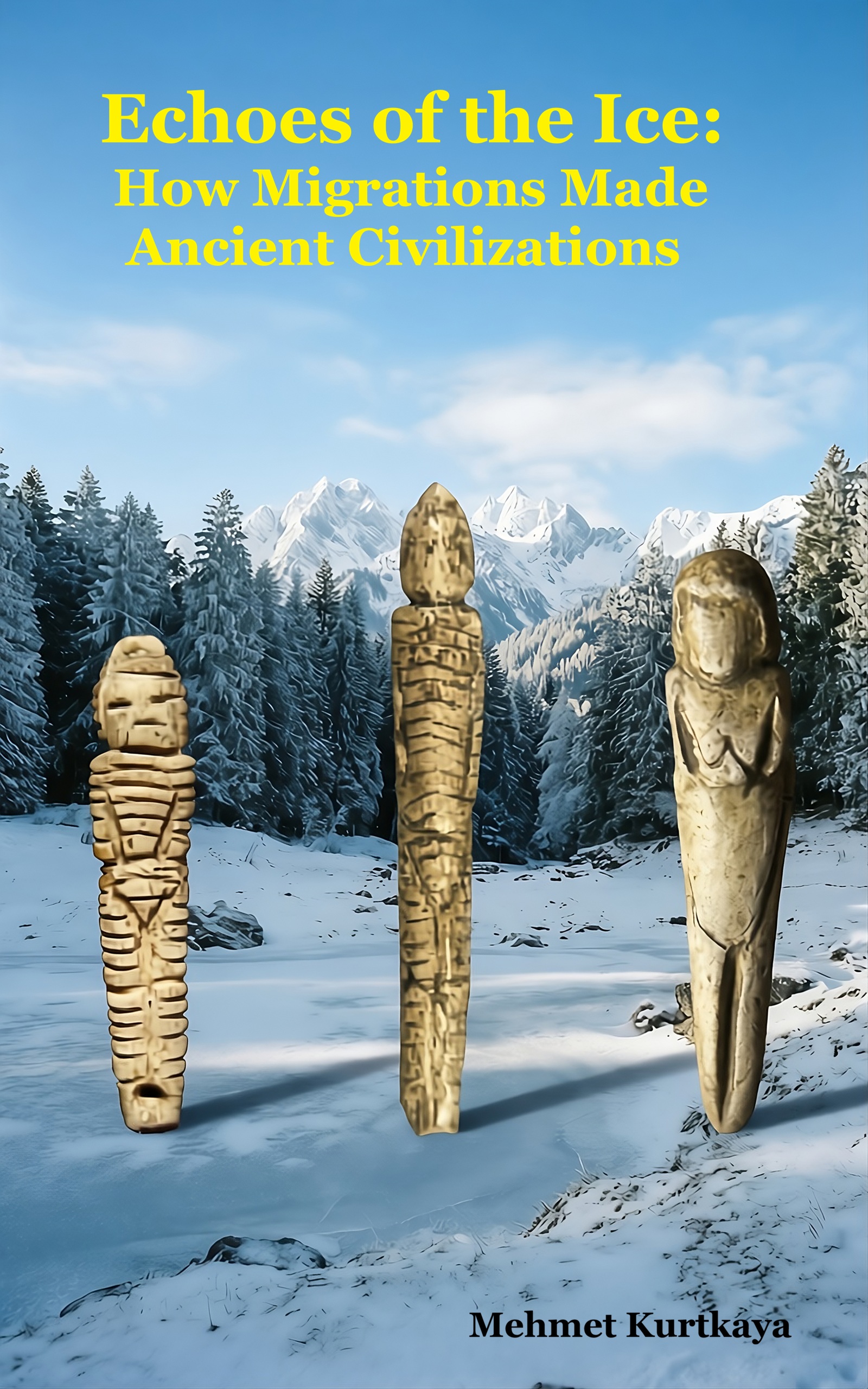
My Books on Göbeklitepe & Human History
How to Visit Karahantepe
Karahantepe is less accessible than Göbeklitepe, but still manageable for independent travelers.
By Car (Recommended)
From Şanlıurfa, drive east on the D400 highway toward Viranşehir. After approximately 35 kilometers, follow signs to Karahantepe. The turnoff is marked. The final 5 kilometers are on a paved rural road. Total drive time: 45-50 minutes. Parking is free at the site entrance.
By Taxi
Taxis from Şanlıurfa to Karahantepe cost approximately $25-35 each way. Most drivers will wait for 1-2 hours for an additional $10-15. Combined with Göbeklitepe, a full-day taxi tour costs $80-120.
By Tour
Şanlıurfa tour agencies offer half-day and full-day tours to Karahantepe, sometimes combined with Göbeklitepe. Prices range from $40-70 per person including transport and guide. This is the easiest option for solo travelers.
Public Transport
There is no direct public transport to Karahantepe. You can take a dolmuş (shared minibus) toward Viranşehir and ask to be dropped at the Karahantepe turnoff, then walk or hitch the remaining 5 kilometers. Not recommended for most visitors.
What to Expect at the Site
Karahantepe has a protective shelter over the main excavation area, similar to Göbeklitepe but smaller. Wooden walkways allow you to view the T-shaped pillars and enclosures from above. There is a small visitor center with basic toilets and a parking area. No cafe or restaurant on site; bring water and snacks.
Plan 1.5 to 2 hours for Karahantepe. This includes the sheltered excavation area, walking paths, and a small museum display of recently excavated artifacts.
Unlike Göbeklitepe, Karahantepe does not have large crowds. On a weekday, you might be the only visitor. This solitude allows you to absorb the site's atmosphere without tour groups and loud guides.
Best Time to Visit Karahantepe
The same weather considerations as Şanlıurfa apply. Spring (April-May) and autumn (September-October) are ideal. Summer is extremely hot (40-48°C / 104-118°F) with no shade except the shelter. Winter (November-March) is mild but may have rain.
Morning visits (8-10 AM) are best for light and temperature. Afternoon visits (after 3 PM) work well in spring and autumn but remain hot in summer.
Karahantepe in the Context of Human History
Karahantepe is not just a smaller version of Göbeklitepe. It is evidence of a widespread cultural phenomenon in Southeast Turkey around 11,000-12,000 years ago. At least 12 sites with T-shaped pillars exist within a 100-kilometer radius of Şanlıurfa. These sites are too large and complex to be explained as local village shrines. Instead, archaeologists believe they were regional cult centers visited by different communities.
The T-shaped pillars represent stylized humans, not gods. The animal reliefs (snakes, foxes, birds, scorpions) may be totems or clan symbols. The circular enclosures were likely used for feasting, rituals, and social gatherings. These gatherings helped build alliances between hunter-gatherer groups, leading to the first forms of settled life and eventually agriculture.
Karahantepe, like Göbeklitepe, forces us to rethink the Neolithic revolution. It was not a slow, inevitable progression from hunting to farming. It was a rapid, intentional choice made by complex societies with sophisticated belief systems. Agriculture and animal domestication followed, not preceded, the construction of these megalithic sites.
Frequently Asked Questions
What is Karahantepe?
Karahantepe is a Paleolithic and Neolithic archaeological site in Southeast Turkey, located about 40 kilometers east of Şanlıurfa. It is part of the Taş Tepeler (Stone Hills) project and features T-shaped stone pillars similar to Göbeklitepe, dating back approximately 11,000 to 12,000 years.
How is Karahantepe different from Göbeklitepe?
Karahantepe is smaller than Göbeklitepe but features unique elements not found elsewhere, including a carved human head statue, a phallus-visible pillar, and a large circular structure with benches carved into the rock. Excavations are more recent, with many areas still unexcavated.
Can I visit Karahantepe?
Yes, Karahantepe is open to visitors. It is located about 40 km east of Şanlıurfa, approximately 45-50 minutes by car. A protective shelter has been built over the main excavation areas. There is no public transport directly to the site, so a car or taxi is required.
Who excavated Karahantepe?
Karahantepe was first discovered in 1997 during a survey led by Bahattin Çelik. Major excavations began in 2019 under the direction of Professor Necmi Karul, as part of the Taş Tepeler project. The site is excavated by Turkish archaeologists with support from the Turkish Ministry of Culture.
What is the Taş Tepeler project?
Taş Tepeler (Stone Hills) is an archaeological project covering 12 Paleolithic and Neolithic sites around Şanlıurfa, including Göbeklitepe, Karahantepe, Harbetsuvan, Sefertepe, and others. The project aims to understand the end of the Paleolithic and the beginning of the Neolithic revolution in Southeast Turkey, where agriculture and permanent settlement first emerged.
How much time should I spend at Karahantepe?
Plan 1.5 to 2 hours for Karahantepe. This allows time to explore the sheltered excavation area, view the artifacts, and walk the surrounding paths. Combine with Göbeklitepe for a full-day archaeology tour from Şanlıurfa.