Konya Travel Guide: Rumi, Seljuk Heritage & the Whirling Dervishes
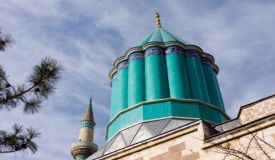
Konya is the spiritual heart of Turkey and the capital of its Seljuk past. This Central Anatolian city was the seat of the Seljuk Sultanate of Rum from 1116 to 1308, and it was here that Jalal ad-Din Muhammad Rumi (Mevlana) — the 13th-century Sufi poet — lived, taught and is buried. His followers founded the Mevlevi order: the "whirling dervishes", whose Sema ceremony is recognised by UNESCO as Intangible Cultural Heritage.
Konya is a large, modern and deeply conservative city, but its old centre holds one of the richest concentrations of Seljuk architecture in Turkey — the Alaeddin Mosque on the citadel hill, the İnce Minare and Karatay madrasas with their carved stone portals, and the Sahip Ata complex. Half an hour outside the city lies Çatalhöyük, one of the world's oldest Neolithic towns.
Most travellers visit Konya as a stop between Cappadocia and the coast, but it deserves a full day — and, if you can, an evening at a Sema ceremony.
| Where | Central Anatolia, ~260 km south of Ankara |
| Region | Central Anatolia — Seljuk capital (1116–1308) |
| Famous for | Mevlana Museum (Rumi's tomb), whirling dervishes, Seljuk architecture |
| Airport | Konya Airport (KYA) |
| Train | High-speed train (YHT) from Istanbul and Ankara |
| Best months | April–June and September–October; December for Şeb-i Arus |
| Don't miss | Mevlana Museum, İnce Minare Medrese, Karatay Medrese, Alaeddin Mosque, Çatalhöyük |
Mevlana Museum: the Tomb of Rumi
The Mevlana Museum (Mevlana Müzesi) is Konya's defining monument and its most visited site. It was the lodge (tekke) of the Mevlevi order and is the mausoleum of Rumi, who died here in 1273. The building is crowned by the famous green conical dome (Yeşil Kubbe), and inside you pass the tombs of Rumi and his son Sultan Veled before entering a museum of Mevlevi artefacts — manuscripts, instruments, robes and the order's distinctive tall felt hats.
Rumi's poetry, above all the Masnavi, is among the most widely read in the Islamic world, and his message of tolerance has made him a global figure. The museum is a place of pilgrimage as much as a tourist sight, so dress modestly and expect crowds.
Practical: the museum sits in the city centre, a short walk from the Karatay and İnce Minare madrasas. Allow one to two hours.
The Whirling Dervishes (Mevlevi Sema)
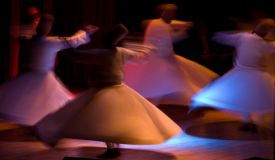
The Sema is the Mevlevi ritual in which dervishes spin in long white robes, one hand raised to the sky and the other turned to the earth. It is a form of dhikr — remembrance of God — and UNESCO inscribed the "Mevlevi Sema ceremony" on its Intangible Cultural Heritage list.
You can watch a Sema performance in Konya at several venues, including the Mevlana Cultural Centre, the large purpose-built hall opposite the museum. Performances are usually held in the evening and last about an hour. This is a religious ceremony rather than a show, so photography is often restricted — follow the rules and stay quiet.
If your dates are flexible, the Şeb-i Arus ("Wedding Night") festival around 17 December marks the anniversary of Rumi's death and draws visitors from around the world. Book accommodation months ahead.
Seljuk Architecture in the Old City
Konya's Seljuk monuments cluster around the citadel hill and the bazaar, all within walking distance of the Mevlana Museum.
Alaeddin Mosque and the Citadel Hill
On top of Alaeddin Hill (Alaeddin Tepesi) stands the Alaeddin Mosque, begun in the 12th century and completed in the 13th. It served as the Seljuk sultans' mosque and contains their tombs. The hill is a pleasant park with views over the city and the remains of the Seljuk palace.
İnce Minare Medrese
The İnce Minare Medrese ("slender minaret" madrasa, 1264) was built by the Seljuk vizier Sahip Ata. Its most striking feature is the deeply carved stone portal, a masterpiece of Seljuk stonework with geometric and floral reliefs. It now houses the Museum of Stone and Wood Carving.
Karatay Medrese
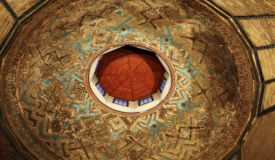
The Karatay Medrese (1251) was founded by the Seljuk statesman Celaleddin Karatay. Its dome is decorated with spectacular turquoise Seljuk tiles, and it is now the Museum of Tile Works (Çini) — a must for anyone interested in Seljuk ceramics.
Sahip Ata Complex
The Sahip Ata complex (külliye) combines a mosque, madrasa, hammam and mausoleum, built in the 13th century by the same vizier, Sahip Ata. Its tiled mausoleum and carved facade are worth a look.
Çatalhöyük and the Archaeology Museum
About 50 km southeast of Konya lies Çatalhöyük, one of the oldest and largest Neolithic settlements ever found (c. 7400–6000 BC). The site, with its reconstructed houses and wall paintings, is a UNESCO World Heritage Site and makes an easy half-day trip. Read our full Çatalhöyük guide for visiting details.
Back in the city, the Konya Archaeology Museum (Arkeoloji Müzesi) displays finds from Çatalhöyük — including the celebrated seated mother-goddess figurine — alongside Roman and Byzantine material. It is one of the best small museums in central Turkey.
What to Eat in Konya
Konya has its own hearty Central Anatolian cuisine:
- Etli ekmek — a long, thin flatbread topped with minced meat, the city's signature dish.
- Fırın kebab — lamb slow-baked in a clay oven.
- Bamya çorbası — a tangy okra soup, a Konya speciality.
- Höşmerim — a sweet semolina-and-cheese dessert.
Note that Konya is a conservative city and many restaurants do not serve alcohol.
Getting to Konya
By air: Konya Airport (KYA) has daily domestic flights from Istanbul; the airport is about 18 km from the centre.
By train: Konya is on Turkey's high-speed rail network (YHT). Direct services run from Ankara (about 1.5 hours) and from Istanbul (about 4.5 hours, via Ankara), arriving at the modern Konya station south of the centre.
By bus: Frequent long-distance coaches connect Konya with Istanbul, Ankara, Antalya and Cappadocia (Nevşehir/Göreme).
By car: Konya is roughly three hours from Ankara and three hours from Cappadocia, making it a natural stop on a Central Anatolia driving route.
Getting Around
The historic sights — the Mevlana Museum, the bazaar, and the Seljuk monuments on and around Alaeddin Hill — are close together and best explored on foot. A modern tram and city buses cover the wider city; taxis are plentiful and inexpensive. For Çatalhöyük, take a taxi or a tour, as public transport to the site is limited.
When to Visit
Spring (April–June) and autumn (September–October) bring the most comfortable weather for walking the old city. Summers are hot and dry; winters are cold and can be snowy. The one date worth planning around is December, for the Şeb-i Arus dervish festival.
Where to Stay in Konya
Most visitors stay in the city centre, within walking distance of the Mevlana Museum, where you'll find everything from international chain hotels to restored Ottoman-style boutique guesthouses and simple budget hotels near the bus station. Staying central lets you reach the museum, the Seljuk monuments and the bazaar on foot, and be back for an evening Sema performance without a taxi.
Frequently Asked Questions
Why is Konya famous?
Konya is famous as the home and burial place of Mevlana Jalal ad-Din Rumi, the 13th-century Sufi poet, and as the capital of the Seljuk Sultanate of Rum. It is also the home of the Mevlevi "whirling dervishes" and one of Turkey's richest cities for Seljuk architecture.
Is Konya worth visiting?
Yes. The Mevlana Museum, the Seljuk madrasas and mosques, and the nearby Neolithic site of Çatalhöyük make Konya one of the most historically rewarding cities in Central Anatolia — and it works well as a stop between Cappadocia and the coast.
How do I get from Istanbul to Konya?
The easiest way is the high-speed train (YHT), which connects Istanbul and Konya in roughly four and a half hours (via Ankara). There are also daily flights from Istanbul to Konya Airport (KYA) and overnight coaches.
Can I see the whirling dervishes in Konya?
Yes. Sema ceremonies are performed in Konya, most commonly in the evenings at the Mevlana Cultural Centre. The largest event is the Şeb-i Arus festival around 17 December, the anniversary of Rumi's death.
How far is Çatalhöyük from Konya?
Çatalhöyük is about 50 km southeast of Konya, roughly an hour by car. It can be visited as a half-day trip from the city.
Is Konya conservative? What should I wear?
Konya is one of Turkey's more religious and conservative cities, and many restaurants do not serve alcohol. Dress modestly, especially when visiting the Mevlana Museum and mosques — shoulders and knees covered, and a headscarf for women inside mosques.