Deep Prehistory: 12,000–3000 BCE

For 290,000 years, our ancestors lived as hunter-gatherers. Then, something extraordinary happened in Southeast Turkey. They built the world's first megalithic site: Göbeklitepe. Dating to 9600-8400 BCE, it predates Stonehenge by 6,000 years. Massive T-shaped limestone pillars, carved with animal reliefs, arranged in circles, built before agriculture.
Nearby Karahantepe is Göbeklitepe's sister site, with T-shaped pillars and a carved human head statue. Only 10-15% excavated. New discoveries are announced every year.
The area where these megaliths are located is Southeast Turkey. This region, along with the Zagros mountains in Iran, is also where farming was first practiced in the world. The descendants of these early farmers migrated in all directions: west to Çatalhöyük and Europe, east to India, north to the Caucasus, and south to the Levant, Egypt, and Africa.
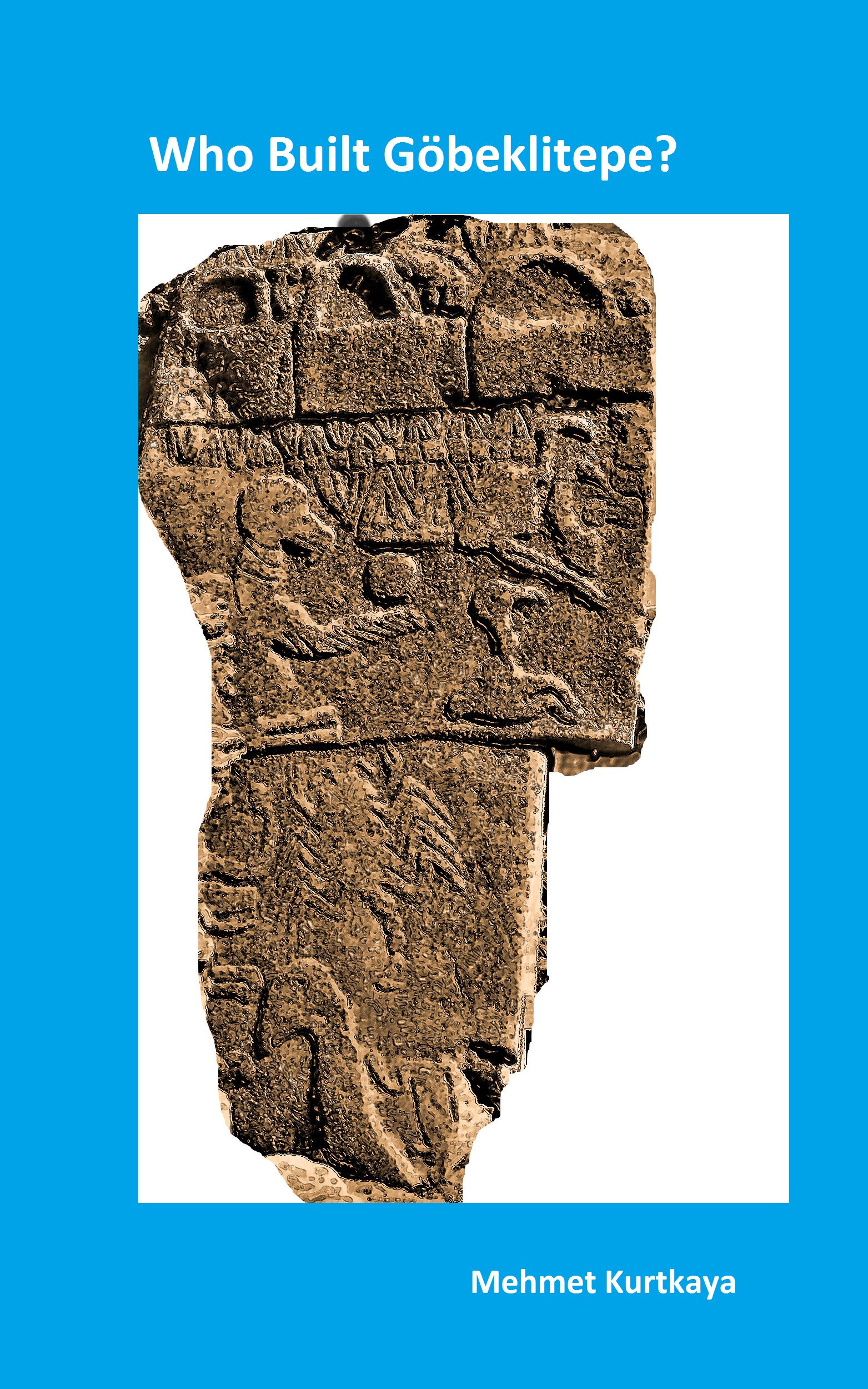
From my book Who Built Göbeklitepe: Genetic studies show that Europe's first farmers were descendants of people from Southeast Turkey and the broader Fertile Crescent. See the map of the spread of farming from around the Taurus mountains towards Europe.
Çatalhöyük (7400-6000 BC) was one of the world's largest farming cities of its time, housing up to 8,000 people in mudbrick houses with no streets, entry was through roof holes. Wall paintings and mother goddess figurines reveal a complex spiritual life. Its inhabitants were direct descendants of the first farmers from the Göbeklitepe region. There is also Boncuklu, nearly adjacent to Çatalhöyük and 1,000 years older, contemporary with late Göbeklitepe.
Read More: Göbeklitepe Guide | Çatalhöyük Guide
Bronze Age: 3000–1200 BCE
By 3000 BCE, Anatolia entered the Bronze Age. In the west, Troy rose overlooking the Dardanelles. Troy VIIa, destroyed around 1180 BCE, corresponds roughly to the Trojan War.
Before the Hittites, the Hattis — indigenous to central Anatolia — had established a rich culture of metalwork and trade. Assyrian merchants established trading colonies (karums) across the region, bringing tin and textiles from Mesopotamia in caravans of 200-300 donkeys and returning with Anatolian gold and silver. In southeast Turkey, near the borders of modern Syria and Iraq, Sumerian outposts served as trade hubs connecting Mesopotamia with the resource-rich Anatolian highlands.
Then came the Hittites. An Indo-European people migrating from the east, they settled along the Kızılırmak River and gradually absorbed Hatti territory and gods. By 1650 BCE, they had established a kingdom that would become one of the three great powers of the Late Bronze Age, alongside Egypt and Assyria. Their capital Hattusa covered two square kilometers. After the Battle of Kadesh (1274 BCE), they signed the world's first peace treaty between Ramses II and Hittite king Hattusili III.
The Bronze Age collapse around 1200 BCE destroyed the Hittite Empire, Troy, and most other Anatolian cities. Anatolia entered a dark age that lasted four centuries.
Classical Anatolia: 1200–330 BCE
From the ashes, new peoples emerged. The Phrygians ruled from Gordion, capital of the legendary King Midas. The Lydians invented coinage — standardized gold and silver coins that revolutionized commerce. The Lycians carved rock tombs into cliffs along the southern coast. The Ionian Greeks established cities like Ephesus, Miletus, and Priene. Thales, Herodotus, and Aesop were born in Anatolia. The Persians conquered Anatolia in 546 BCE, building the Royal Road from Sardis to Susa.
Read More: Ephesus Guide
Roman & Byzantine Anatolia: 330 BCE–1453 CE
Alexander the Great swept through Anatolia in 334 BCE, cutting the Gordion knot. After his death, his generals carved Anatolia into kingdoms. Rome took control by 133 BCE. Ephesus became the second-largest city in the Mediterranean, with the Library of Celsus and the Great Theatre.
Christianity took root here. St. Paul traveled through Anatolia. St. Nicholas was born in Patara. Virgin Mary lived her final years near Ephesus. In 325 CE, Emperor Constantine convened the Council of Nicaea (İznik) where church leaders established the Nicene Creed, defining Christian orthodoxy. In Cappadocia, early Christians carved underground cities and painted churches in the lunar landscape.
When the Roman Empire split, the eastern half became the Byzantine Empire with its capital at Constantinople (Istanbul). Justinian built the Hagia Sophia, the world's largest cathedral for a thousand years.
In 1071, the Seljuk Turks defeated the Byzantines at Manzikert, opening Anatolia to Turkic settlement. The Sultanate of Rum, centered at Konya, built caravanserais along the Silk Road.
Read More: Istanbul Guide | Cappadocia Guide
Ottoman Empire & Modern Turkey: 1299–Present
The Ottoman beylik, founded by Osman I around 1299, expanded relentlessly. In 1453, Mehmed II conquered Constantinople, ending the Byzantine Empire and renaming the city Istanbul. The empire peaked under Suleiman the Magnificent (1520–1566), whose armies reached Vienna and whose fleet dominated the Mediterranean. The architect Mimar Sinan designed over 300 structures, including the Süleymaniye Mosque.
After World War I, Allied powers partitioned Anatolia. Mustafa Kemal Atatürk led the Turkish War of Independence. On October 29, 1923, the Republic of Turkey was proclaimed. Atatürk's reforms included adopting the Latin alphabet, giving women voting rights (1934), and establishing a secular state.
Read More: Istanbul Guide | Gallipoli Guide